Diary of a Happy Hog Island Camper
By Hannah Ring, Third Grade Teacher at Coastal Ridge Elementary School in York, Maine – and winner of YCA’s 2026 Educator’s Week Scholarship
Day 1
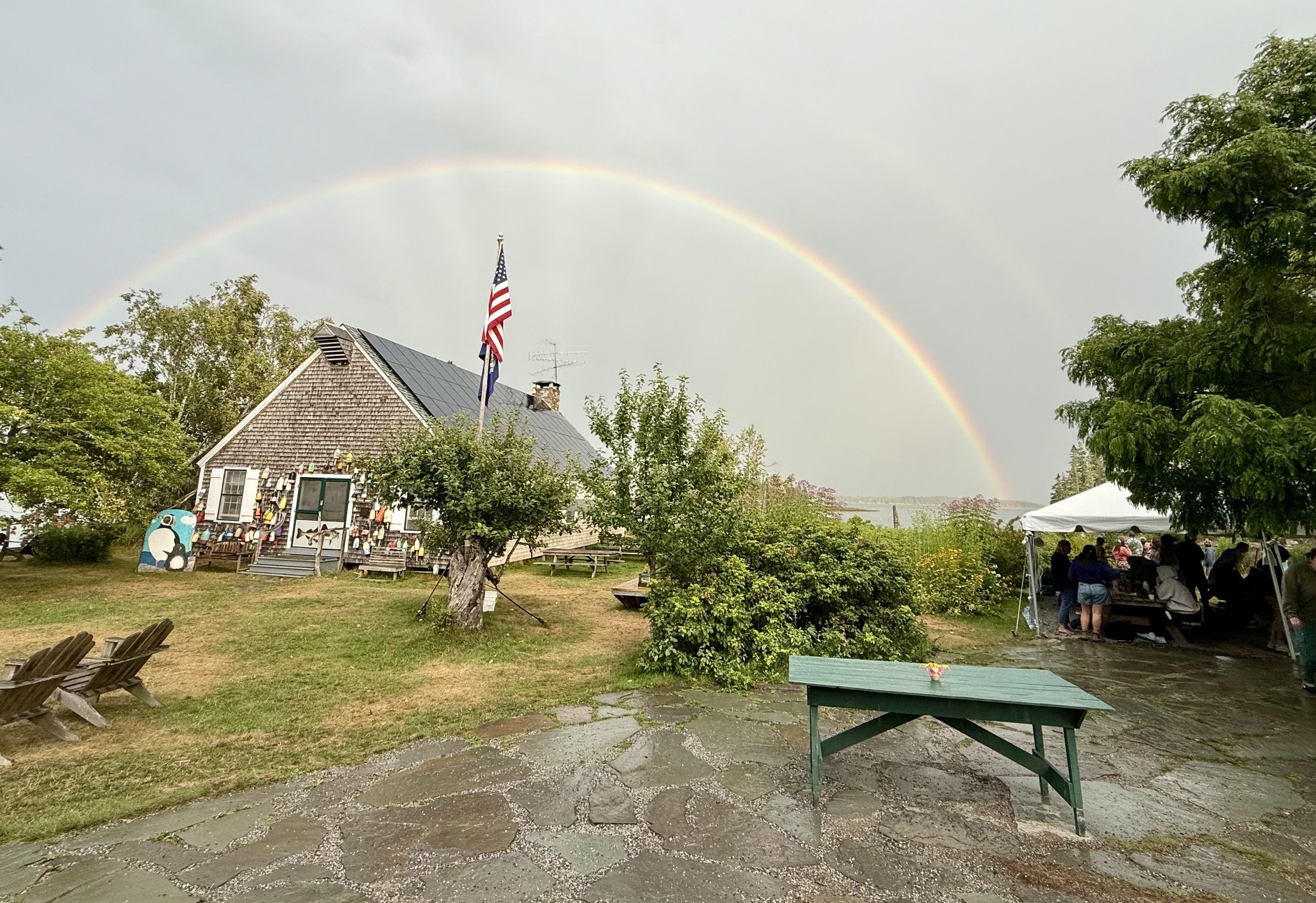
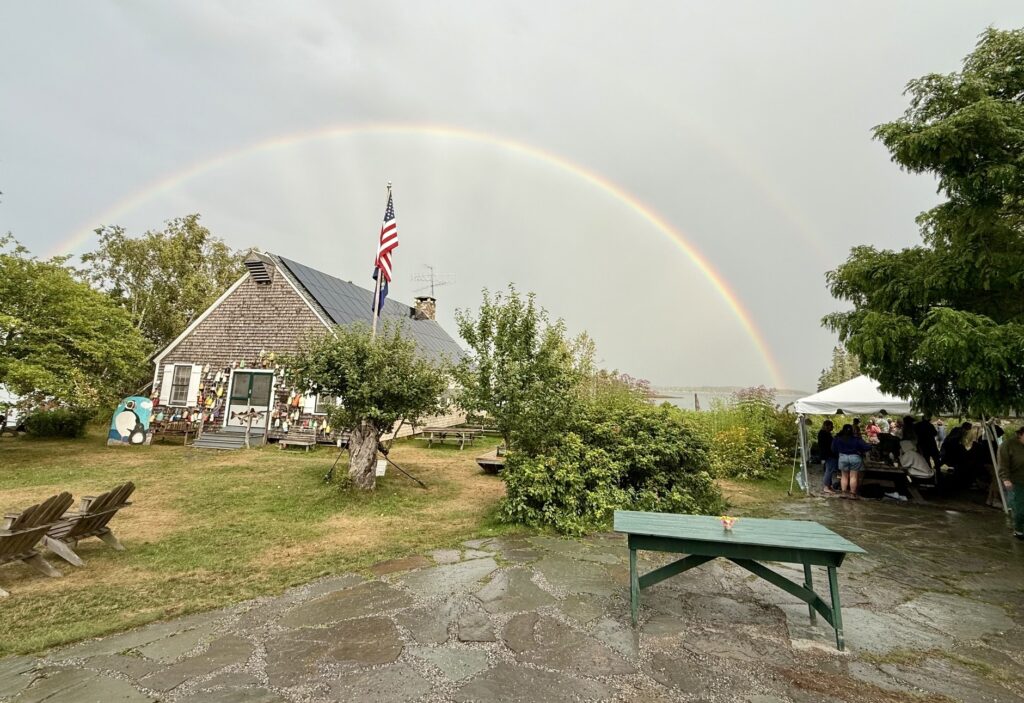
Butterflies dance in my stomach as my tires roll over the crushed gravel road that leads to the dock in Bremen, ME. I unload my suitcase and gaze across Muscongus Bay, dotted with islands and sea birds and one very special place: Hog Island Audubon Camp. I am headed there on a scholarship from the York County Audubon Society, attending their yearly Educator Camp, and I don’t know quite what to expect. The moment I set foot on the island, I know it’s going to be a great week away. Friendly faces welcome me and I am brought to my cozy lodgings with instructions to return to camp soon for happy hour and dinner. As I eat delicious local food and begin meeting other educators from around the country, I am filled with excitement. There are science teachers, artists, preschool teachers and educators who work for fish and wildlife organizations, all with a shared interest in nature, birding, art, ecology, conservation, and helping students build a love for the natural world. I feel that I am with my people! The evening ends with a fascinating program about the history of the island. I’m amazed to learn that this place was originally a camp for educators with a focus on environmental education and was the first of its kind in the 1930’s. As I fall asleep to the sound of crickets and ocean breezes, I think about what it means to be a part of this legacy.
Day 2
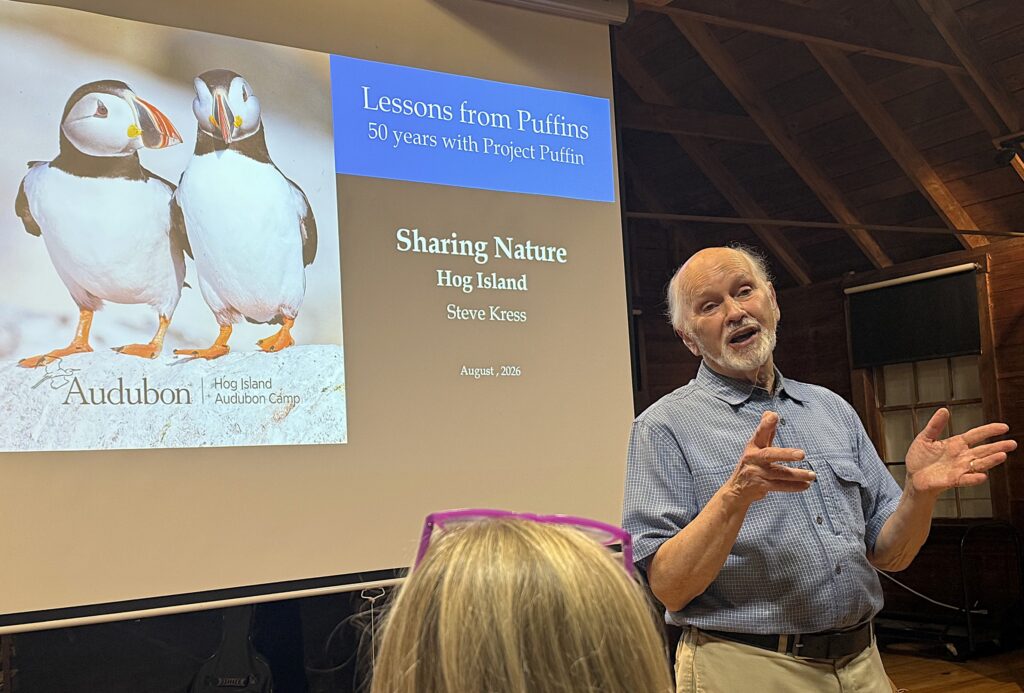
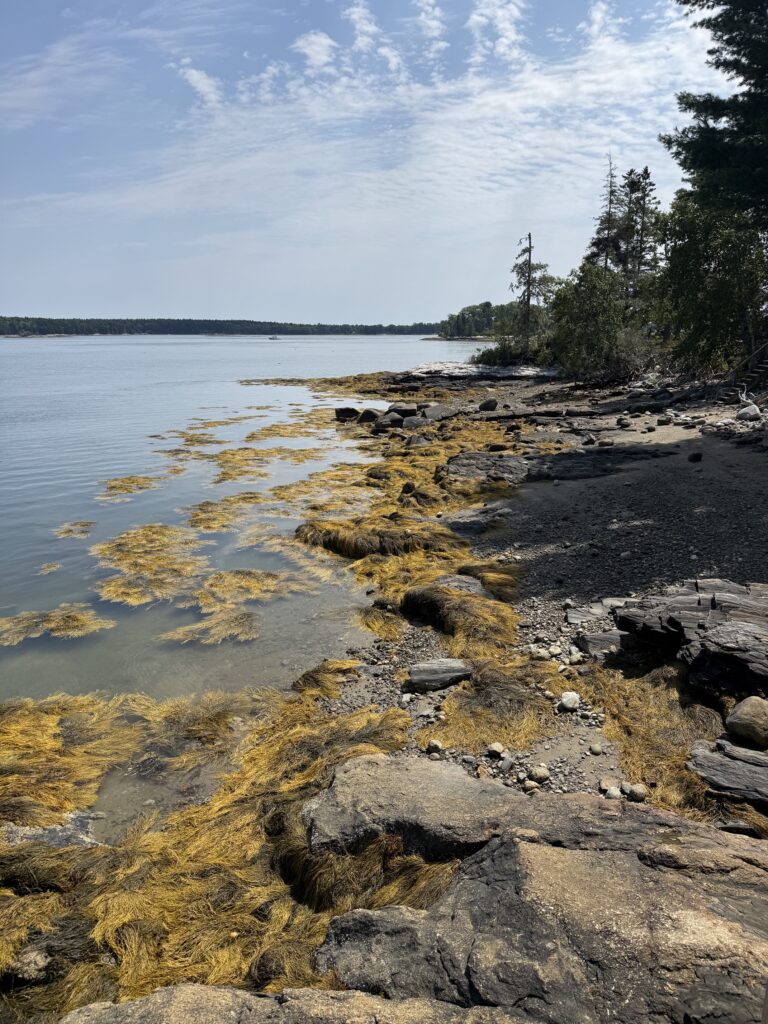
Many campers are up early today for mindfulness, yoga or birding. I decide to sleep in a little and join the other campers for coffee at 8:00. Over a hearty bowl of oatmeal, fruit, and local yogurt, we learn about the day’s offerings. Nature journaling, an introduction to birding basics, an exploration of the intertidal zone, and a hike around the island are just a few of the activities on the menu. The best part is this evening’s program when Dr. Steve Kress teaches us about his work with Project Puffin. It is truly inspiring to learn about the many ways in which Dr. Kress tried to reintroduce puffins to Maine. Through perseverance, creativity and determination, he has helped to create several thriving puffin colonies off the coast of Maine. I think about the deep connections that Dr. Kress’ work holds for my students. Keep trying, keep questioning, stay curious, no matter the obstacles you face. It has been a good day.
Day 3
Today is a day for “optionals,” and there are so many amazing choices, it’s hard to decide what to do! Photography, cyanoprinting, mushroom foraging, birding, learning about nature games and activities to engage young learners, and poetry are just some of the options available. Our day is full and exciting as we learn and try new things. We gather in the late afternoon for a program with educator Ron Smith who inspires us with a talk about his work involving students in citizen science activities in New Jersey. My brain is spinning as I think about how to engage my own students in local citizen science projects. As we gather for dinner, we are amazed at the sight of a bald eagle that has perched in a tree just behind the Fish House. He is scoping out the bait box that washed up on shore earlier and has been emptied into the sea, an easy meal. We watch this majestic bird with fascination and awe and smile at our good luck to see him up close. After another delicious meal including many local ingredients, we gather in the Fish House and dance the night away in a lively “contra dance” with live music. I go to sleep exhausted but also excited for the day ahead–we’re heading out to Eastern Egg Rock to see the puffins!
Day 4
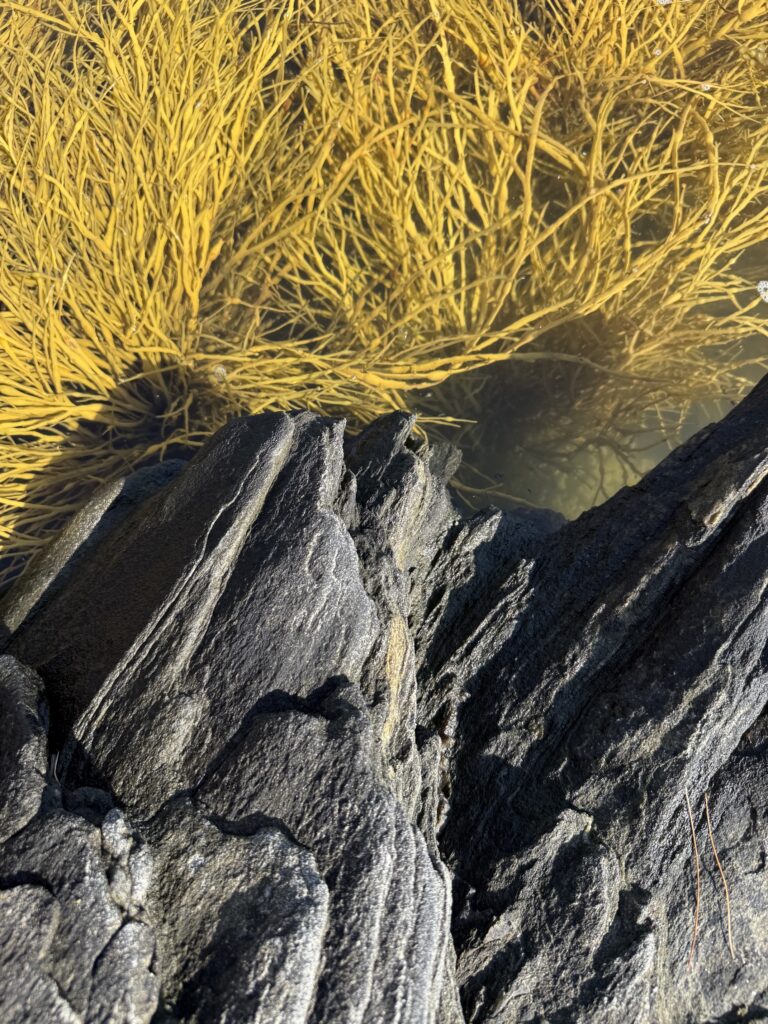
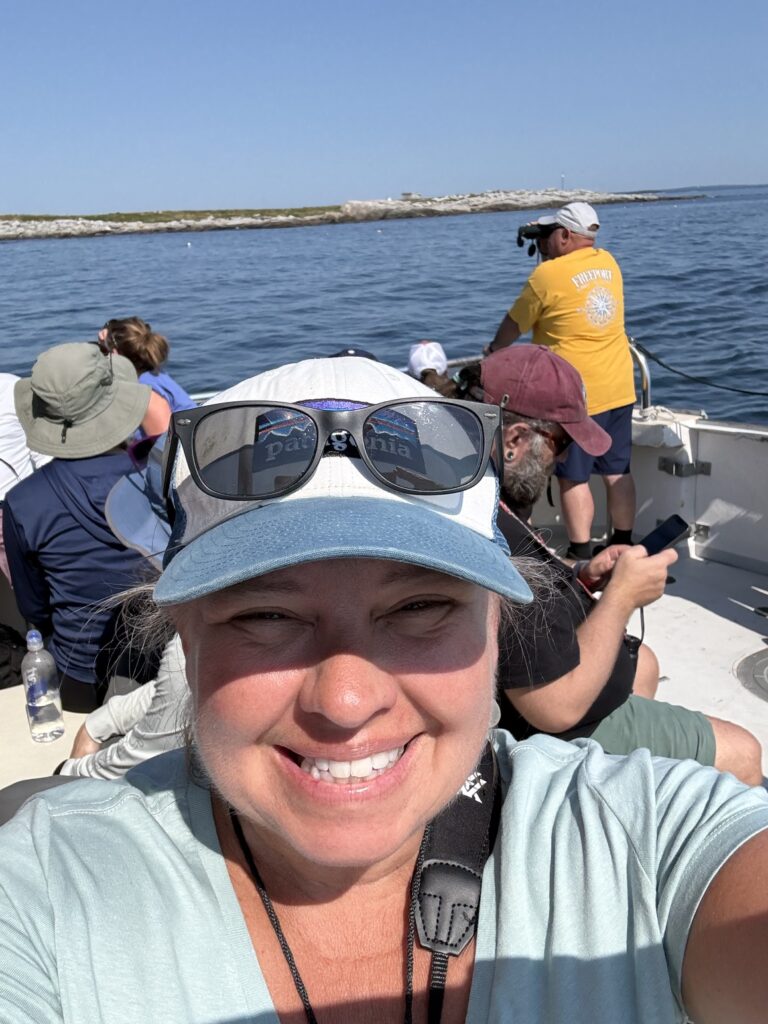
This is the day all the campers have been anticipating–a trip out to Eastern Egg Island to see Dr. Kress’ Project Puffin work up close! We can’t wait to see these special birds, and when we arrive, we are rewarded with puffins all around! They bob along in the water, fly along the coastline, and hang out on shore standing on their adorable bright orange feet. As we circle the island and take in the sights, I think about the amazing success of this project. To think that this nesting site was no longer used by puffins when the project began in 1973, and that this year 213 chicks were born on this island is truly remarkable. Our afternoon is spent at the Todd Wildlife Sanctuary, investigating pond life and catching bees so we can study them up close. I hold a bee in my hand, peering at its hairy legs covered in pollen, study a salamander and a tadpole through a magnifying lens , and think about how I can’t wait to bring my own students to the little stream that runs behind our school to let them explore in the same way.
Day 5
It’s hard to believe that this is my last day on the island. Today’s adventure is a hike around the entire island, which is about 5 miles long. We visit the Artist in Residence camp, checking out carnivorous plants along the way. Our trail continues along the coastline and soon we are in an amazing meadow full of milkweed, fat munching caterpillars and monarch butterflies. We stop for lunch near the Maine Island Trails Association campsite and watch a couple set up camp for the night as we comb the beach for shells and critters. We return to camp with time for some “deep water wading” in the chilly waters and of course, a visit to the camp store to pick up a t-shirt (or two, or three)! The evening is a celebration of Maine and wildlife and learning as we feast on lobster (straight from Muscongus Bay) and fresh corn. We end the evening in the Fish House with a slideshow of our week and much gratitude shared for our amazing week together.
Day 6
As I drive south to York, my mind is bursting with love for the woods and waters of Maine and with ideas for how to help my students develop this same connection with nature. I know that this mission is an important one. I know that connecting students to the natural world around them is vital for their mental and physical health, their sense of curiosity and wonder, their powers of careful observation, and their stewardship of the land as they grow older. This is no small task, but I know that it can begin with the chance to simply explore, notice, and wonder–to discover the patterns on an acorn or glide their finger over a turkey feather, to draw the details of a shell in their nature journals, or to dip their net into a pond and see what they come up with. I have hope that these experiences will guide them to love and care for the land and to do their part to protect it as they grow up. My time on Hog Island has been so much more than a week away at camp. It has filled my cup and made me eager for the year ahead with my new students, and has renewed my love of nature, of noticing the small things, of slowing down, of seeing the world through a lens of wonder and joy. Thank you Hog Island and York County Audubon Society for this amazing opportunity. I am forever grateful.
